
Pool to patio · Dog run · Amenity area
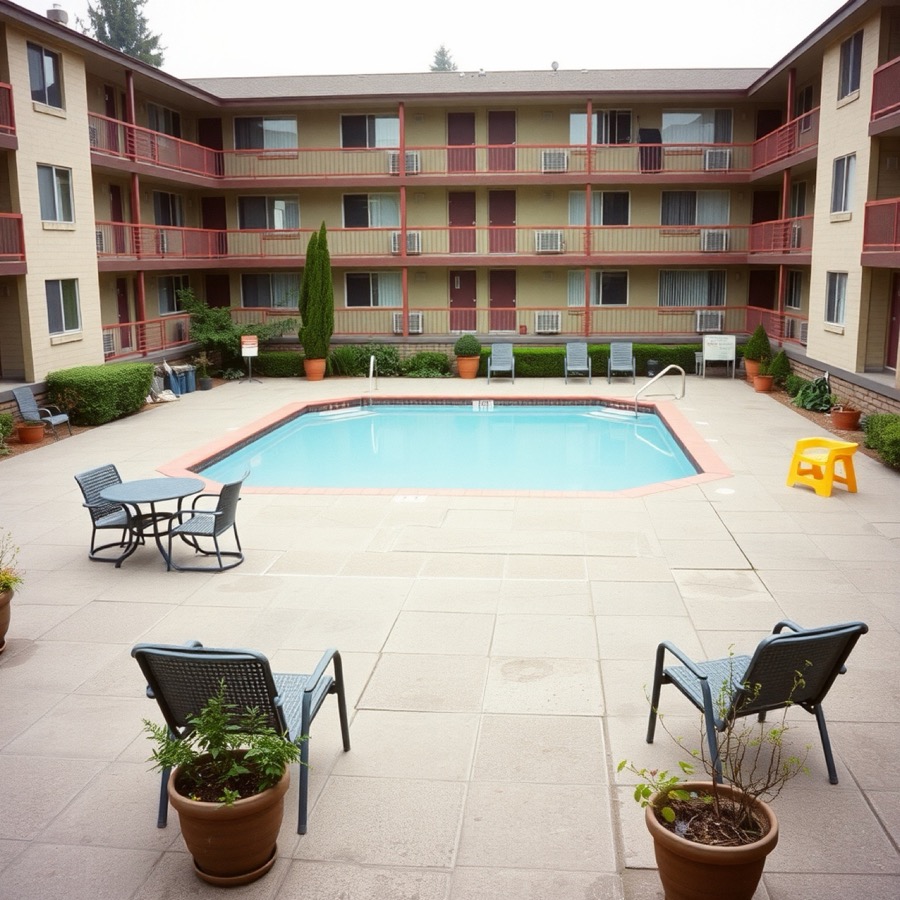
Pool decommissions
Fill it, cap it, and get something back that residents use twelve months a year instead of six weeks.
What a decommission actually is
Three steps, and the middle one is the one that matters. We drain and clean the shell, then break the bottom so it can never hold water and the ground can drain through it. We remove the top course of the walls, fill in engineered lifts with compaction as we go, and cap the surface with whatever the new use needs.
The equipment, plumbing and electrical get properly abandoned rather than buried live, and the fence comes out or gets repurposed for the new layout. Permits go through the jurisdiction the property sits in; that’s our paperwork, not yours.
Why owners do it
- Chemicals, service, utilities and repairs stop.
- The liability and the pool-specific insurance line go away.
- Seasonal staffing and inspections go away.
- The space earns its footprint the rest of the year.
Three conversions
What goes in its place
Patio and lounge
Paving or decking, seating, shade, lighting and a grill station. The default, and the one that photographs best for leasing.
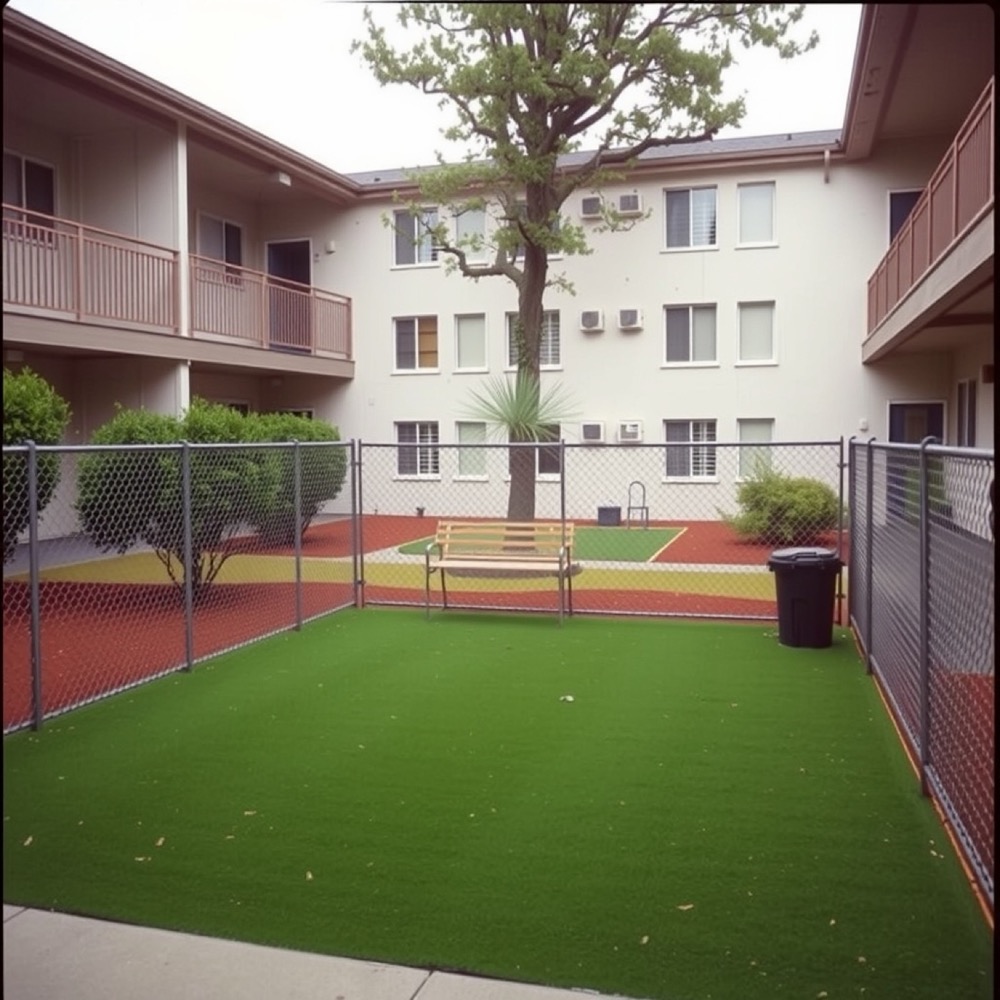
Dog run
Fenced turf, a washing station and waste stations. The cheapest amenity per renewal in a pet-heavy building.
Amenity area
Whatever the building is missing: covered parcel and package space, a fitness pad, raised beds, or resident storage.
The payback
What the pool costs against what it costs to stop
Put your own numbers in. The defaults are illustrative, not a quote.
Payback is the conversion cost divided by the upkeep you stop paying. Ten-year saving is ten years of upkeep less the one-time conversion.
Illustrative. Upkeep here stands for chemicals, service contract, pool-specific insurance, repairs and utilities. Your numbers replace these on the walk.
What it does for retention
A pool is used by a slice of the building for a slice of the year, and it is the first thing every resident hears about when it is closed for repairs. A dog run or a covered patio gets used in February. Residents who use something every week are the ones who renew, and the conversion shows up in the leasing photos the same season it’s finished.
We’ll also tell you when to keep the pool. In a building where the pool is genuinely the reason people signed, filling it is a bad trade, and we’d rather say so on the walk than after.
What we need to quote it
- Shell size and depth, and access for equipment.
- Last year’s pool operating costs.
- Whether the fence and deck stay.
- What you want in its place.
Walk the pool deck with us.
We’ll measure the shell, look at access, and come back with a decommission number and a conversion number you can take to the owner separately.